For exporters, packaging producers, and logistics companies looking to reduce pallet-related weight and space, paper slip sheets offer a practical alternative for container shipping and selected warehouse operations. A properly configured slip sheet machine enables manufacturers to produce strong, thin kraft paper sheets that support unitized loads while taking up significantly less space than conventional pallets.
The key to successful implementation is not simply replacing a wooden pallet with paper. Slip sheet strength, dimensions, moisture resistance, pull-tab design, load stability, and material-handling equipment must all be matched to the actual logistics process.
A paper slip sheet is placed underneath a unitized load of cartons, bags, or other packaged goods. One or more extended tabs allow a push-pull attachment to grip the sheet and pull the complete load onto the forklift's platen. The same mechanism pushes the cargo into position inside the container.
This palletless handling method is particularly attractive for containerized export because the shipping base is only a few millimeters thick. Compared with a conventional pallet, this reduces the amount of non-product material occupying the container and eliminates much of the weight associated with shipping the pallet itself.
For companies shipping high volumes of standardized goods, those differences can improve container space utilization and reduce packaging material requirements.
The main operational advantages are related to logistics efficiency.
Lower shipping weight. Paper slip sheets are much lighter than wooden pallets, reducing unnecessary packaging weight in each shipment.
Better use of container space. Because slip sheets are thin and flat, more of the available container height and volume can be allocated to the actual product rather than the loading platform.
Reduced storage requirements. Large quantities of unused slip sheets require substantially less warehouse space than stacks of empty pallets.
Simpler one-way export packaging. In export flows where recovering empty pallets is impractical, disposable or recyclable paper slip sheets can simplify packaging management.
However, slip sheets are not automatically the best solution for every warehouse. The complete handling process at the origin and destination must be evaluated before converting from pallets.
In most palletless handling applications, yes.
A forklift normally requires a push-pull attachment or another compatible slip-sheet handling system. The attachment grips the protruding tab and pulls the unit load onto a platen before moving it.
This means logistics managers should evaluate more than the price of the slip sheet itself. Important questions include:
Is push-pull equipment available at both shipping and receiving locations?
What is the total unit-load weight?
Is the forklift capacity sufficient after installing the attachment?
Are cartons or bags properly stretch-wrapped, strapped, or otherwise unitized?
Can the receiving warehouse handle palletless cargo?
Push-pull attachments add weight to the forklift and can affect its available lifting capacity, while poorly unitized products may shift during handling.
These factors should be included in any realistic pallet-to-slip-sheet conversion study.
Warehouse performance depends heavily on the quality and consistency of the finished sheet.
Professional slip sheet manufacturers normally need to control several parameters:
Variation in sheet thickness can affect load stability, handling performance, and the interaction between the tab and push-pull equipment.
Paper layers must be bonded uniformly. Weak adhesion can result in delamination when the sheet is pulled under a heavy load.
The tab is one of the most critical areas because the push-pull attachment applies concentrated force at this point during handling.
Paper properties change with moisture. Proper drying during production helps achieve more consistent finished-board performance.
Final length, width, and tab geometry should match the customer's unit load, container-loading method, and material-handling equipment.
For this reason, the production equipment used by slip sheet manufacturers directly influences whether finished sheets perform consistently in real logistics environments.
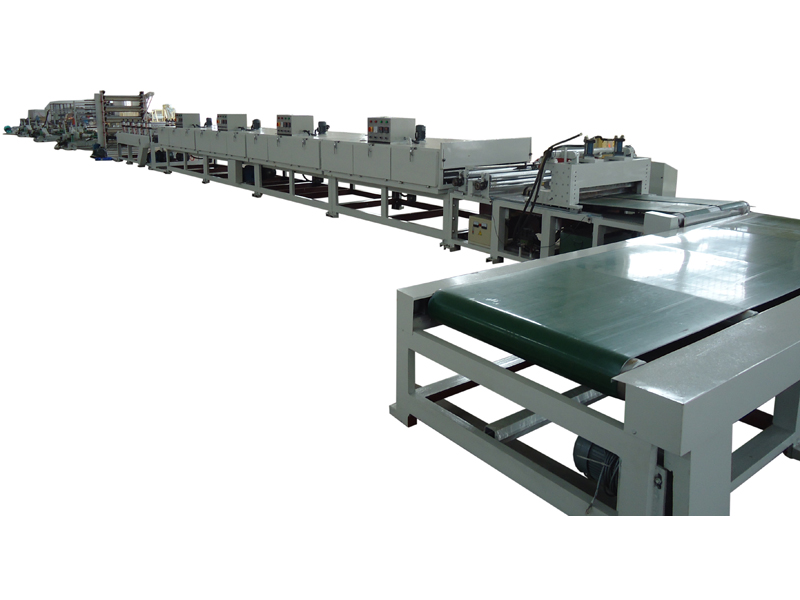
A professional slip sheet machine must control the complete process from paper feeding to finished-board collection.
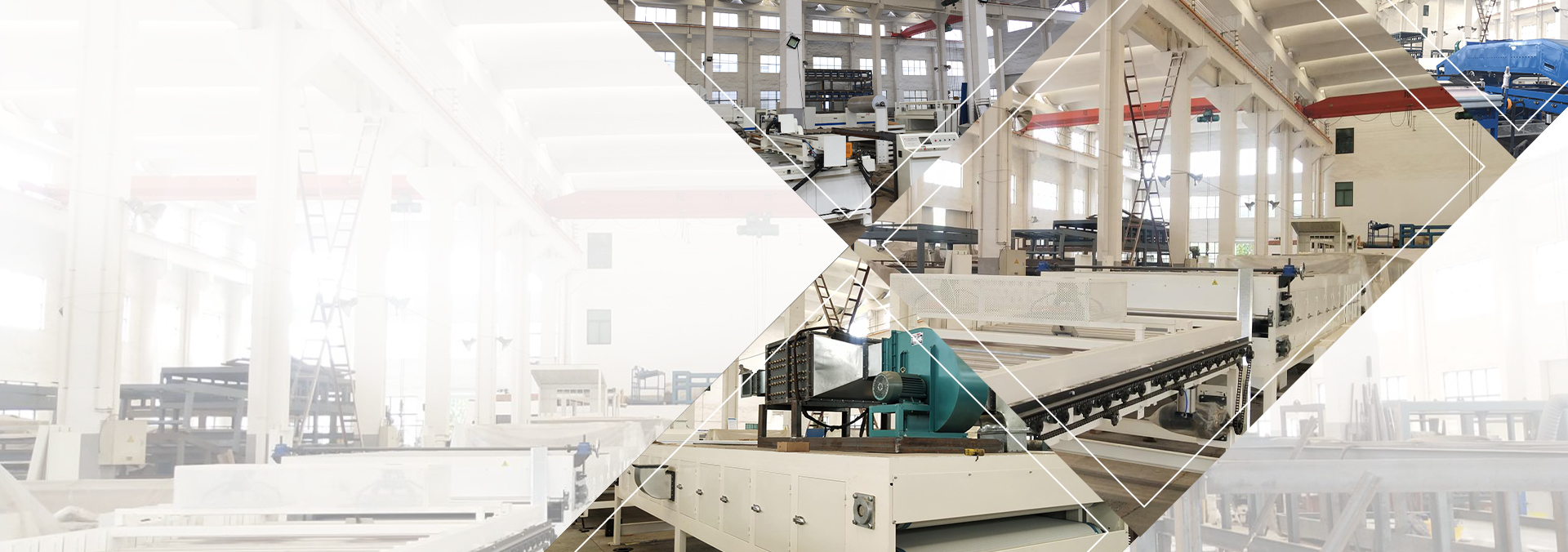
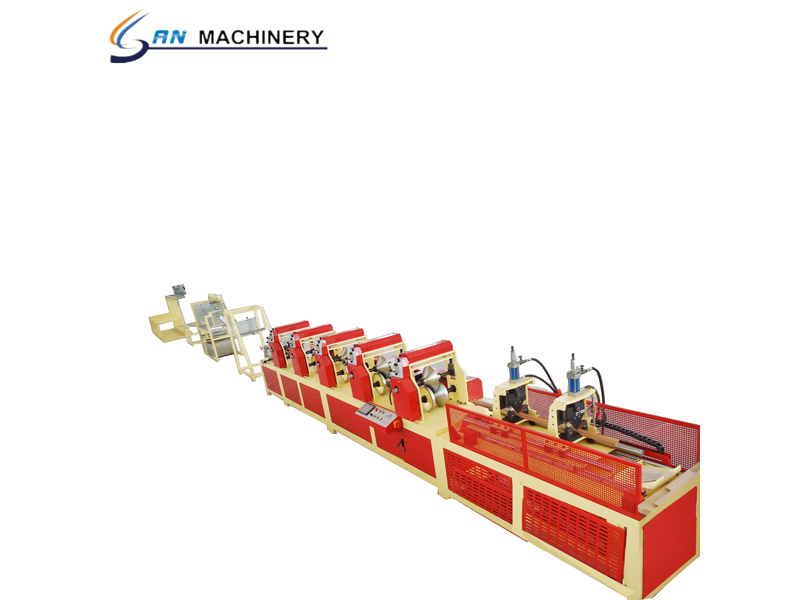
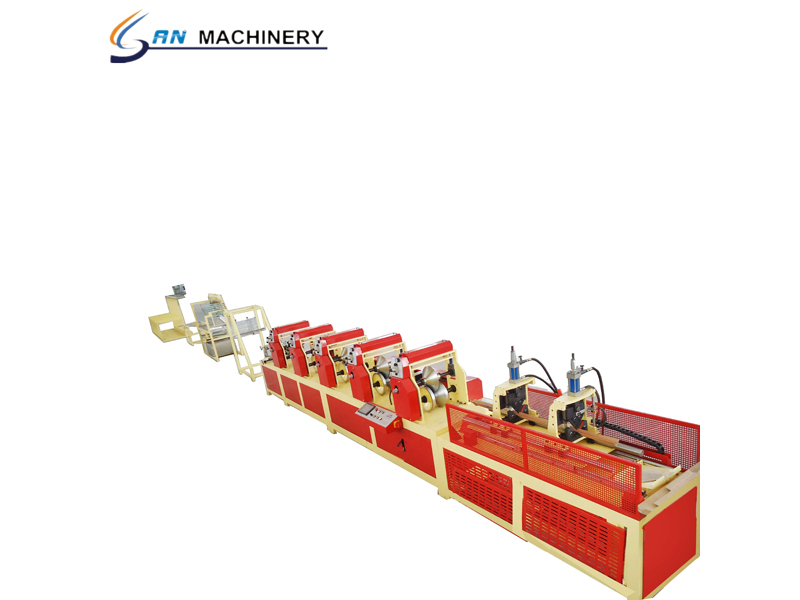
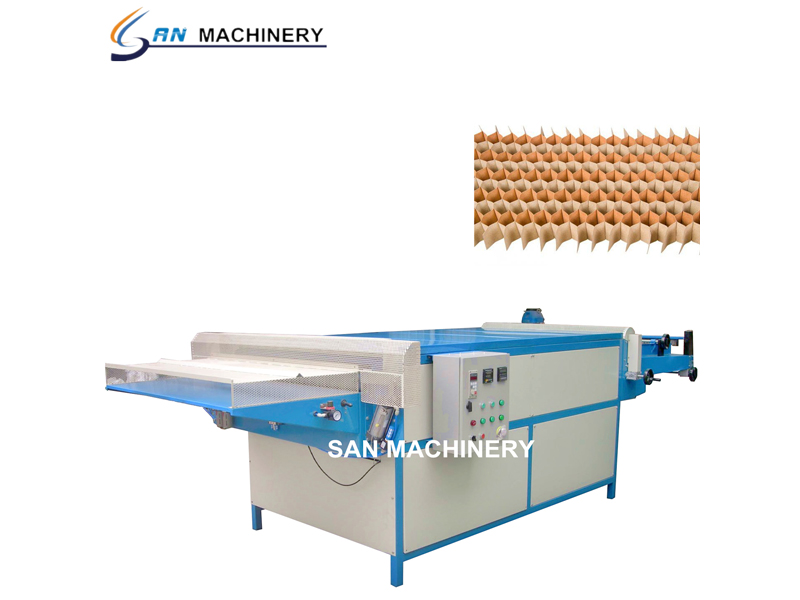
SAN Machinery's paper slip sheet production line includes paper feeding, gluing, pressing and forming, heating, cutting, and collecting sections. Its machines also use drying systems to process the laminated paperboard. Depending on the configuration, SAN lists production widths up to 1200 mm or 1600 mm and finished thicknesses up to 5 mm.
For production-oriented buyers, several machine factors deserve particular attention:
stable paper feeding and web tension;
uniform glue application;
sufficient pressing pressure;
controlled heating and drying;
dimensional accuracy during cutting;
production speed under actual material conditions;
compatibility with the required kraft paper structure.
SAN's listed configurations include a 1200 mm line operating at a stable speed of 20 m/min and the SANPPL-1600F configuration with a maximum width of 1600 mm and a listed stable speed of 30 m/min.
Machine selection should therefore be based on the final slip sheet specification and expected production volume rather than maximum speed alone.
Investment in a slip sheet machine makes the most sense when there is stable demand from export packaging, logistics, warehousing, food and beverage, bagged products, cartons, or other industries using standardized unit loads.
Before choosing a production line, calculate:
Required sheet specifications → daily demand → raw material structure → production capacity → handling requirements → target production cost.
This sequence helps avoid purchasing a machine that has sufficient nominal capacity but cannot efficiently produce the sheet structures demanded by customers.
For companies planning to supply export-oriented customers, flexibility is especially important. Different markets may require different sheet widths, thicknesses, tab configurations, and paper structures.
Paper slip sheets can improve container shipping efficiency by reducing packaging weight, pallet volume, and empty-storage requirements. Their effectiveness, however, depends on the complete logistics system—including unit-load stability, push-pull handling equipment, receiving conditions, and consistent sheet quality.
For slip sheet manufacturers, choosing the right slip sheet machine is therefore a production and logistics decision, not simply an equipment purchase.
SAN Machinery provides paper slip sheet production lines designed for kraft paper laminating, pressing, drying, cutting, and finished-sheet production. Manufacturers should select the appropriate configuration according to their required sheet dimensions, capacity, raw materials, and end-use conditions.
It is used under unitized cargo as a thin alternative to a pallet, especially for container shipping and palletless material handling.
Yes, in many transport applications, provided the cargo, loading equipment, and receiving facility are suitable for slip-sheet handling.
Usually, a forklift equipped with a push-pull attachment or compatible handling system is required.
High-strength kraft paper and laminated paperboard structures are commonly used. SAN's production line is designed to manufacture paper slip sheets from high-strength kraft paper.
Focus on required sheet width, thickness, production capacity, drying performance, cutting accuracy, raw material structure, and the specifications required by your target customers.