Honeycomb paper has emerged as an eco-friendly, lightweight, and durable material widely used in packaging, furniture, and automotive industries. Producing high-quality honeycomb paper requires precision and efficiency, which is where a paper honeycomb machine plays a critical role. These machines, also known as honeycomb manufacturing machines, transform rolls of kraft or recycled paper into hexagonal honeycomb cores, enabling manufacturers to produce strong, lightweight panels for a variety of applications.
For businesses looking to scale production or improve quality, sourcing reliable honeycomb machines from experienced paper honeycomb manufacturers ensures consistent performance and high efficiency. This guide explores honeycomb paper, the machines that produce it, installation tips, and essential features to consider.
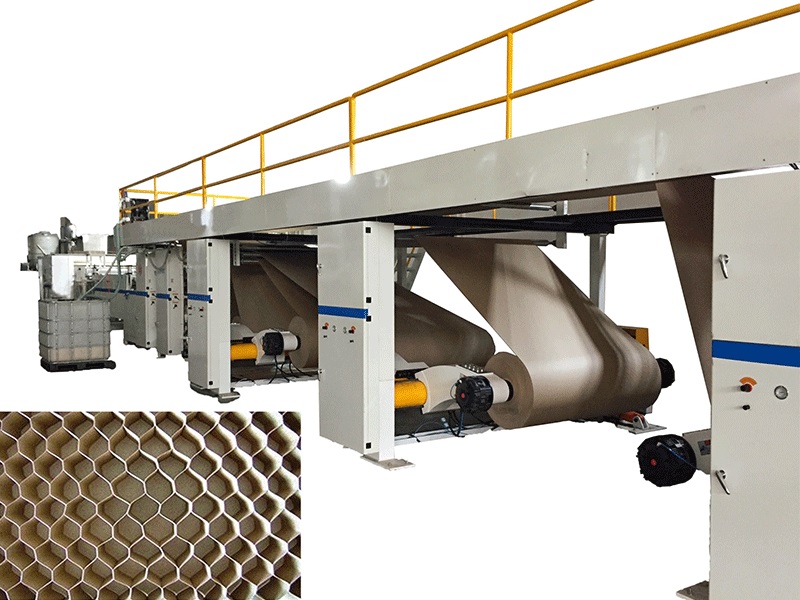
Honeycomb paper is a structured paper product consisting of hexagonal cells, similar to a natural beehive. This unique structure provides remarkable strength while minimizing material usage, making it an ideal solution for packaging, protective layers, and lightweight panels.
Key features of honeycomb paper:
Lightweight yet strong, reducing transportation costs
Eco-friendly, made from recycled or kraft paper
Shock-absorbent and resilient, ideal for packaging fragile items
Versatile, used in furniture cores, automotive panels, and decorative elements
The honeycomb structure also allows for efficient stacking and compression, making it a practical choice for industries prioritizing both sustainability and performance.
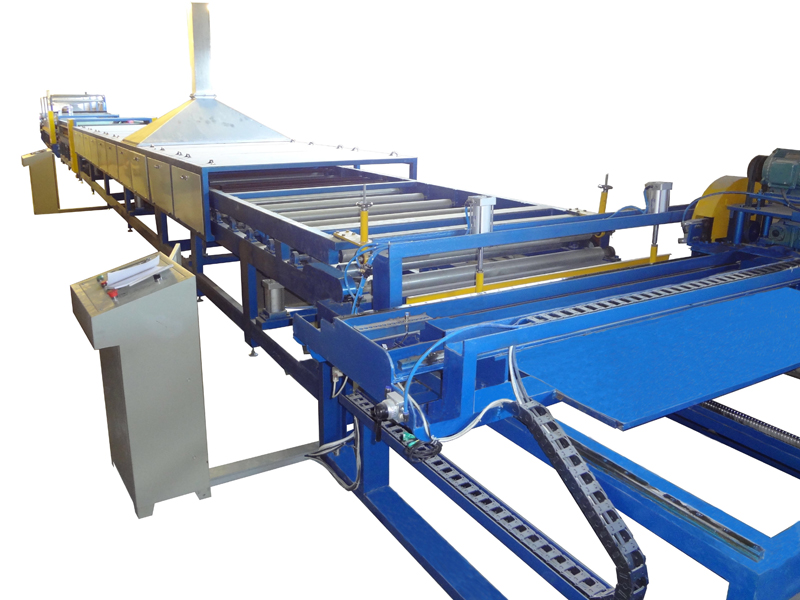
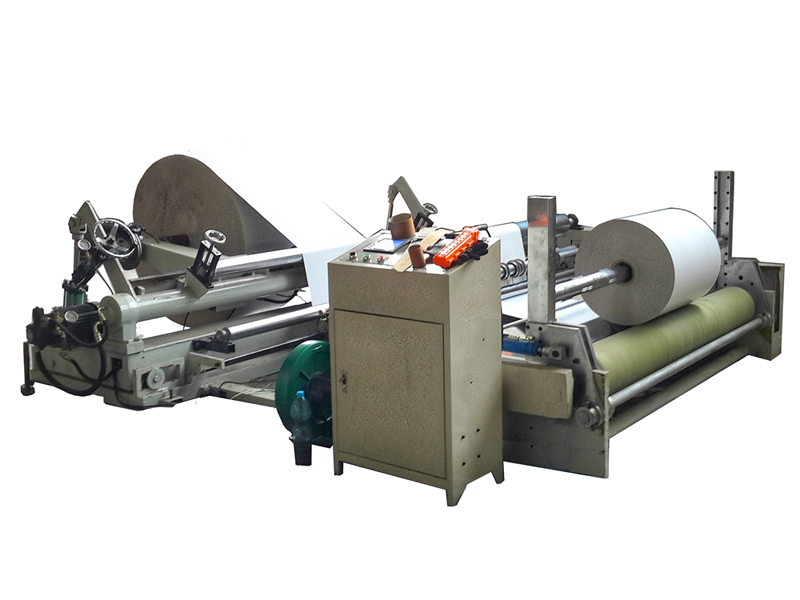
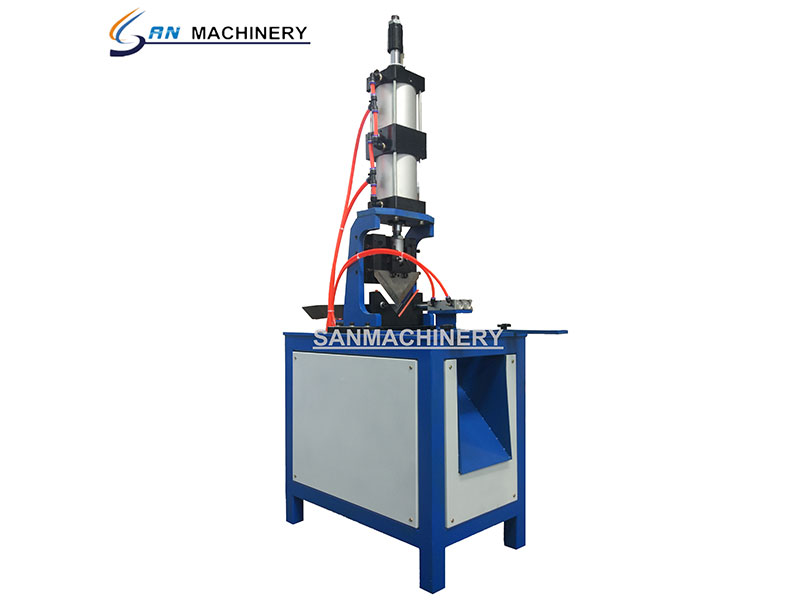
A paper honeycomb machine is specialized equipment designed to produce hexagonal honeycomb cores from paper rolls. These machines handle the entire process, from feeding and bonding paper layers to forming and cutting the honeycomb cores.
Primary functions of a honeycomb paper machine include:
Unwinding paper rolls
Applying adhesive between paper layers
Folding and expanding paper into a honeycomb structure
Cutting the finished honeycomb cores to required dimensions
Investing in a high-quality honeycomb machine ensures precision, reduces waste, and improves production speed, helping manufacturers meet growing demand efficiently.
| Type | Features | Applications | Production Capacity |
|---|---|---|---|
| Automatic Honeycomb Machine | Fully automated feeding, gluing, and cutting | High-volume packaging and industrial panels | 50–200 tons/month |
| Semi-Automatic Honeycomb Machine | Requires partial operator input | Small to medium-sized production | 20–50 tons/month |
| Custom Honeycomb Machine | Tailored to paper type, thickness, and core size | Specialized honeycomb products | Variable based on specification |
Choosing the right type depends on production requirements, budget, and the complexity of honeycomb products needed. Automatic machines are ideal for large-scale operations, while semi-automatic models are suited for small businesses or experimental production lines.
A modern honeycomb paper machine should include:
Material Compatibility: Works with kraft paper, recycled paper, or specialty cellulose paper.
Precision Cutting: Ensures uniform honeycomb cell sizes for consistent strength.
High-Speed Production: Increases output while maintaining quality.
Energy Efficiency: Minimizes power consumption for cost-effective operation.
Safety Features: Emergency stops, protective shields, and automated controls reduce risk of accidents.
Customizable Core Sizes: Supports various honeycomb cell sizes and panel thicknesses.
Selecting a machine with these features ensures durable honeycomb paper production while optimizing operational efficiency.
Proper installation is essential for safety, efficiency, and product quality. Steps include:
Site Preparation: Ensure adequate space, foundation, and power supply.
Machine Positioning: Align components according to manufacturer specifications.
Electrical & Pneumatic Setup: Connect motors, control panels, and air systems.
Paper Feeding & Adhesive Systems: Test the feed rollers, glue application, and alignment mechanisms.
Trial Run: Run test sheets to calibrate speed, glue application, and cutting precision.
Operator Training: Ensure staff understand safety protocols and operational procedures.
Following these steps helps prevent production downtime and ensures the machine functions at optimal performance from the start.
Q1: Why Choose Our Honeycomb Paper Machines?
Our honeycomb machines are engineered for precision, durability, and efficiency. They support a wide range of paper types and honeycomb sizes, offering customizable solutions that meet specific production needs. With reliable after-sales service and spare parts availability, we help manufacturers maximize uptime and reduce operational costs.
Q2: How is Honeycomb Paper Made?
Honeycomb paper is created by bonding multiple layers of paper using adhesive and forming them into a hexagonal cell structure. The machine expands the bonded paper into honeycomb cores, which are then cut to required dimensions for panels, packaging, or other applications.
Q3: Which Paper is Used in Honeycomb Paper?
Typically, kraft paper, recycled paper, or specialty cellulose paper is used. The choice depends on desired strength, thickness, and end-use. Kraft paper is common for high-strength cores, while recycled paper is preferred for eco-friendly applications.
Honeycomb paper machines are the backbone of efficient, high-quality honeycomb production. They enable manufacturers to produce strong, lightweight, and eco-friendly products for packaging, furniture, automotive, and other industries. By choosing reliable machines from experienced paper honeycomb manufacturers, businesses can ensure precision, consistency, and scalability. Investing in the right honeycomb manufacturing machine not only improves production efficiency but also supports sustainability goals.