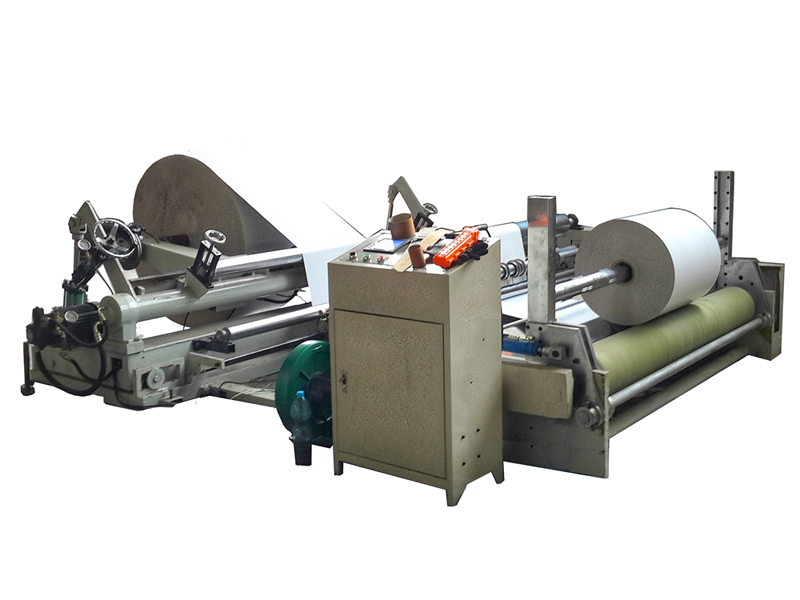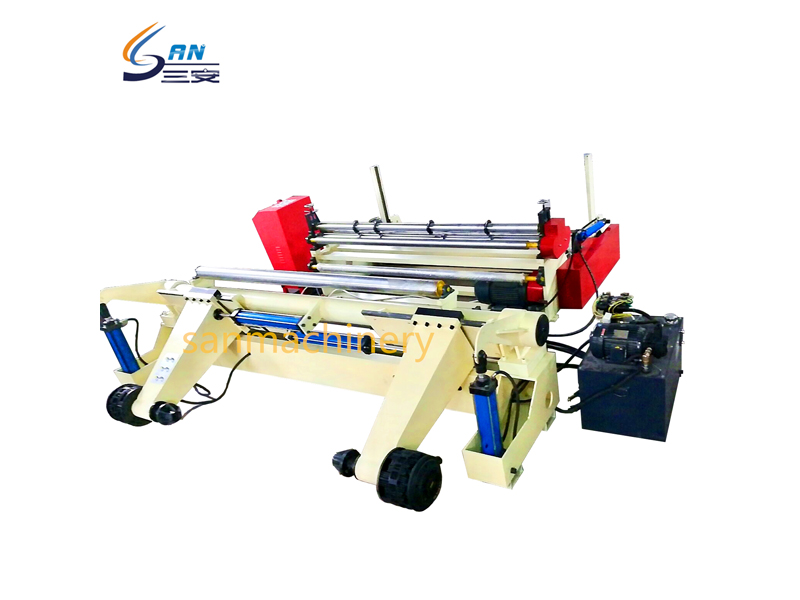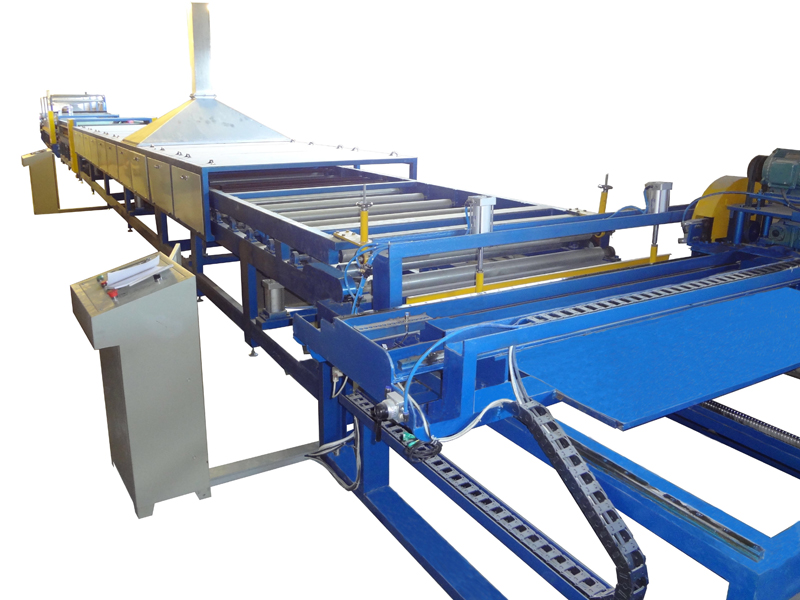
With the rapid growth of sustainable packaging and global demand for recyclable materials, paperboard has become one of the most important materials in modern manufacturing. At the core of this industry is the paper board making machine, also referred to as a paperboard machine or paper and board machine, which transforms raw fibers into strong, versatile board products.
For manufacturers, investing in a high-performance board machine for paper is essential to achieve efficiency, consistency, and scalability. Whether producing packaging materials, cartons, or industrial boards, understanding how a paper board machine works and its advantages can help businesses remain competitive in a fast-evolving market.
Paper board production begins with raw fiber materials such as wood pulp or recycled paper. These materials are processed into pulp, which is then cleaned, refined, and formed into sheets.
The pulp is diluted with water and spread onto a moving screen, where fibers interlock to form a continuous sheet. Water is removed through pressing and drying, resulting in a dense and durable board.
Unlike standard paper, paper board often uses a multi-layer (multi-ply) structure to improve strength and rigidity. Different layers can use different fiber qualities to achieve specific performance characteristics such as stiffness, smoothness, or printability.
Finally, the board may undergo coating, calendering, or cutting processes to meet specific industrial requirements.
A modern paper board making machine offers significant advantages that directly impact productivity and profitability:
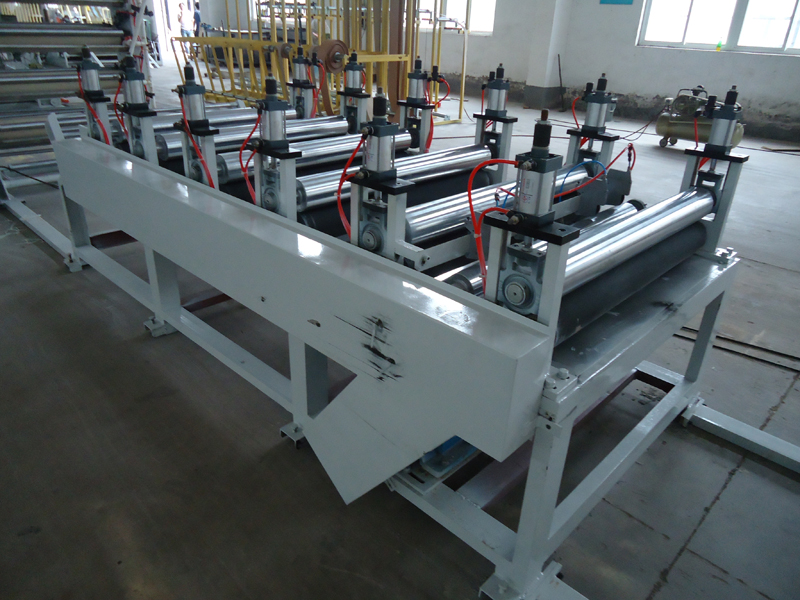
Automated systems can operate continuously, producing large volumes of paperboard with minimal downtime.
Precision engineering ensures uniform thickness, density, and surface quality, which is critical for packaging applications.
Efficient use of raw materials and reduced waste lower production costs over time.
Paperboard production supports eco-friendly practices by using recyclable materials and reducing reliance on plastics.
A paper and board machine can produce different grades and thicknesses of paperboard, allowing manufacturers to serve multiple industries.
These advantages make the machine an essential investment for companies aiming to scale operations and meet growing global demand.
The versatility of a paper board making machine allows it to serve a wide range of industries:
Paperboard is widely used for cartons, food packaging, and consumer goods due to its strength and printability.
Used for brochures, book covers, and promotional materials requiring durability and high-quality surfaces.
Paperboard is used in construction, insulation, and protective packaging.
As sustainability becomes a priority, paperboard replaces plastic in many applications, supporting environmental goals.
By using a reliable board machine for paper, manufacturers can expand into multiple sectors while maintaining product consistency and quality.
Understanding different types of paperboard machines is essential for selecting the right equipment.
Machines are designed to produce specific grades such as folding boxboard (FBB), coated unbleached kraft (CUK), and solid bleached sulfate (SBS).
Machines may be optimized for packaging, industrial boards, or specialty paper products.
Fourdrinier Machines: Common for continuous sheet formation
Multi-layer Machines: Produce stronger, multi-ply boards
Cylinder Machines: Suitable for thicker boards
Each type of paper and board machine offers unique advantages depending on production needs and output requirements.
The demand for paperboard continues to rise due to increased awareness of sustainability and environmental impact. Global markets are expanding rapidly, driven by the shift away from plastic packaging.
A high-quality paper board machine enables manufacturers to meet this demand efficiently while maintaining product standards. It also supports innovation in packaging design, allowing companies to produce customized and value-added products.
For businesses, investing in advanced machinery is not just about production—it is about staying competitive in a market that increasingly values sustainability, efficiency, and quality.
Q1: How is paper board manufactured?
Paper board is manufactured by converting raw materials like wood pulp or recycled paper into a slurry, forming it into sheets, and then pressing and drying it to create strong, thick boards.
Q2: What is the raw material for paper board?
The primary raw materials are wood pulp, recycled paper, and other plant-based fibers such as bamboo or agricultural residues.
Q3: How many types of paper board are there?
There are several types, including solid bleached sulfate (SBS), coated unbleached kraft (CUK), folding boxboard (FBB), and chipboard, each designed for different applications.
A paper board making machine is the backbone of modern paperboard production, enabling manufacturers to produce high-quality, durable, and sustainable materials at scale. Whether referred to as a paperboard machine, paper board machine, or paper and board machine, its role in industrial manufacturing is indispensable.
By investing in advanced equipment such as a board machine for paper or a paper board cutting machine, businesses can improve efficiency, reduce costs, and meet the growing demand for eco-friendly packaging solutions.
As industries continue to evolve, adopting reliable and high-performance paperboard machinery is key to achieving long-term success and maintaining a competitive edge.