Across today’s industrial packaging and material conversion sectors, efficiency and sustainability have become core priorities. One key technology enabling this shift is honeycomb paper forming, where the honeycomb expander plays a central role.
This machine transforms tightly wound kraft paper rolls into fully expanded honeycomb structures used for cushioning, void filling, insulation, and lightweight reinforcement applications.
For manufacturers and procurement engineers evaluating production scalability and material efficiency, understanding the working principle of a honeycomb expander is essential.
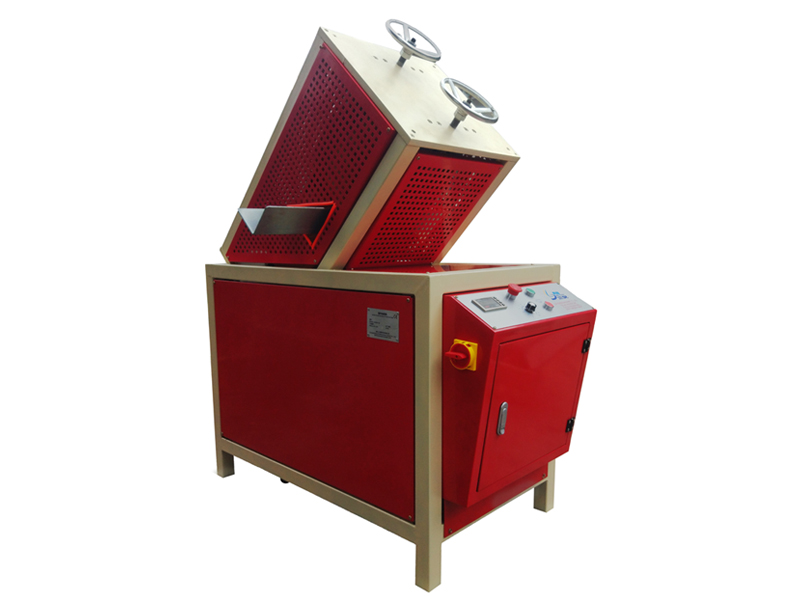
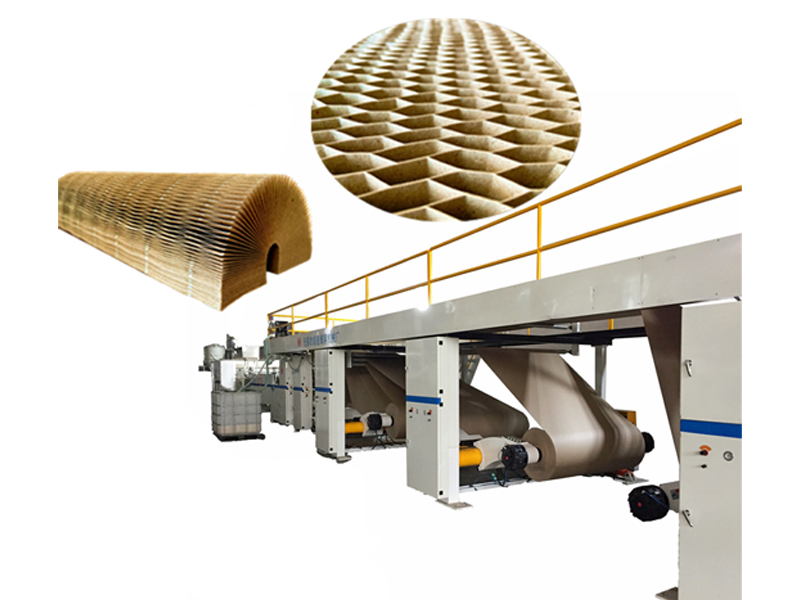
A honeycomb expander is an industrial machine designed to stretch and expand pre-cut kraft paper rolls into a three-dimensional honeycomb structure. This expanded structure is then used in various downstream applications such as protective packaging, void filling, and eco-friendly cushioning materials.
In simple terms, the machine converts flat or compressed paper into a hexagonal lattice structure by applying controlled tension and mechanical expansion.
The term roll core expander is often used because the machine works directly with rolled paper cores, gradually expanding them under tension.
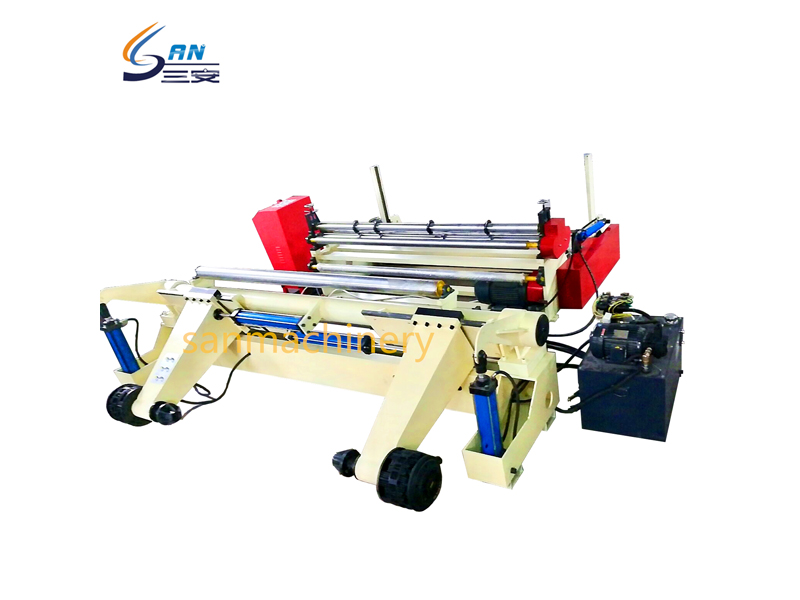
In industrial supply chains, a honeycomb expander is a key piece of equipment for any honeycomb manufacturer. For example, leading industrial equipment providers such as San Machinery supply advanced systems designed for high-speed and high-precision honeycomb paper production.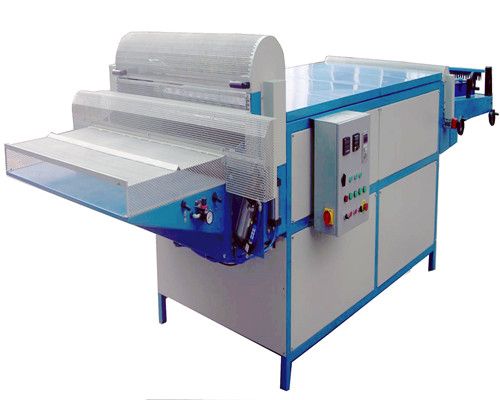
The working principle of a honeycomb expander is based on controlled stretching, tension synchronization, and structural forming.
A kraft paper roll (pre-cut or pre-scored) is loaded onto the machine’s feeding system. This paper is typically layered and bonded in a way that allows expansion.
The machine applies controlled tension across the paper web. This is crucial because uneven tension can damage the honeycomb geometry.
As the roll moves forward, mechanical rollers or expansion arms stretch the paper laterally. The pre-cut slits open into hexagonal cells, forming the honeycomb structure.
Once expanded, the honeycomb structure is stabilized and either cut into sheets or rewound for downstream use.
A modern core expander tool ensures that this entire process is continuous, automated, and consistent, reducing manual labor and improving production efficiency.
Understanding the machine’s structure helps manufacturers choose the right model for production needs.
This section holds and feeds the raw paper roll into the system. It ensures stable feeding speed and prevents material slack.
One of the most important components, it regulates paper tension during expansion to avoid tearing or deformation.
This is the core mechanical section where the actual expansion takes place. Precision rollers or guide systems stretch the paper into a honeycomb geometry.
After expansion, the material may be cut into required lengths using automatic or semi-automatic cutters.
Modern machines use PLC control systems for automation, allowing operators to adjust speed, tension, and output dimensions.
The finished honeycomb material is either rewound or stacked for packaging and transportation.
The shift from manual to automatic systems has significantly improved production efficiency in the honeycomb paper industry.
Automatic systems can operate continuously with minimal downtime, significantly increasing output capacity.
Controlled tension and precision engineering ensure uniform honeycomb cell structure, which is critical for packaging performance.
Automation reduces dependency on manual labor, lowering operational costs over time.
Advanced systems reduce paper waste by ensuring precise expansion without tearing or misalignment.
Honeycomb paper is biodegradable, and efficient production systems further reduce environmental impact by minimizing waste.
Whether producing small batches or industrial-scale volumes, modern expander systems can scale production efficiently.
The honeycomb expander is a critical machine in modern eco-packaging and paper-based structural material production. Its role remains the same: transforming flat kraft paper into functional honeycomb structures.
With growing demand for sustainable packaging, the importance of efficient and automated systems continues to rise. Choosing a reliable honeycomb manufacturer such as San Machinery ensures production stability, scalability, and long-term competitiveness. For manufacturers, investing in the right honeycomb expander is not just a technical decision—it is a strategic business advantage.
A paper expander is mainly designed for kraft paper rolls, which are the most commonly used material in honeycomb production. Depending on the machine configuration, it can also process recycled paper, laminated paper, and certain coated or multi-layer eco-packaging papers.
A honeycomb expander converts flat kraft paper into a three-dimensional honeycomb structure through controlled mechanical expansion. This structure is widely used for packaging protection, void filling, and cushioning applications.
Maintenance includes daily cleaning, checking tension settings, and ensuring proper feeding alignment to keep the machine stable. Regular lubrication, blade inspection, and system calibration help maintain long-term performance and output quality.
The right machine depends on production capacity, material compatibility, and required automation level. It is also important to consider expansion precision, supplier reliability, and after-sales support, such as solutions provided by San Machinery.