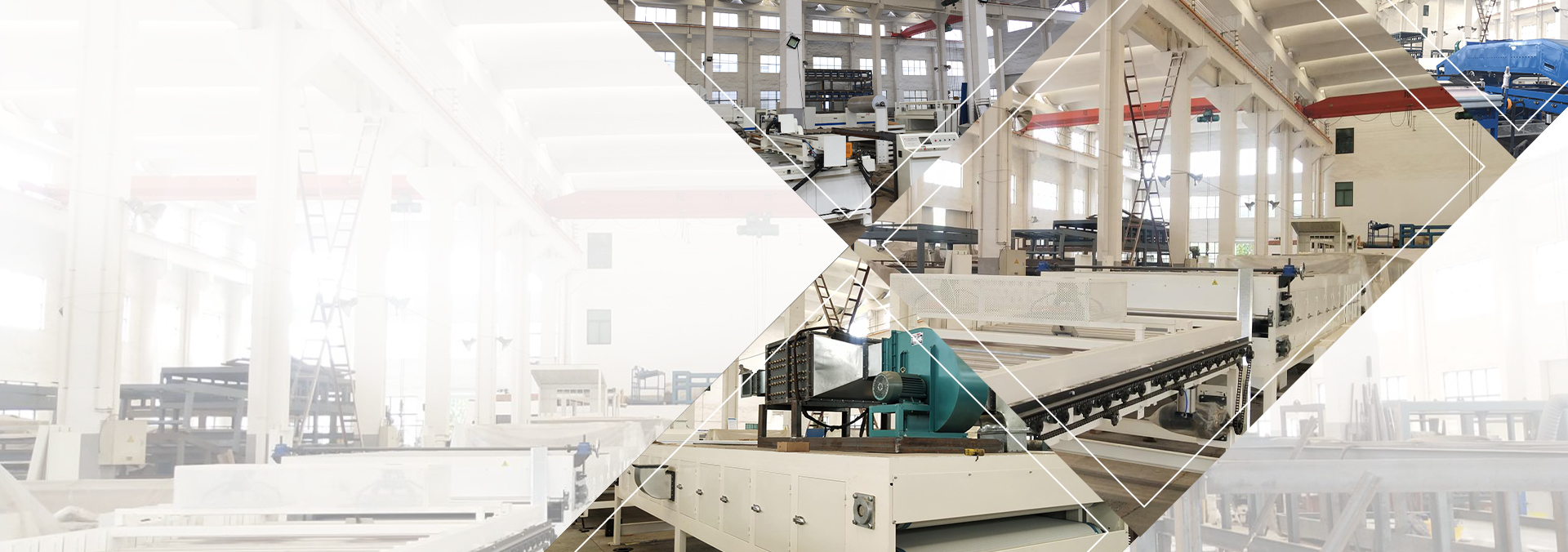
Reducing paper waste in honeycomb core manufacturing depends mainly on controlling raw paper feeding, glue application, cell geometry, cutting accuracy, line synchronization, and production changeovers. The most effective approach is to prevent defective core from being produced in the first place rather than relying on scrap recovery after production.
For paper honeycomb core suppliers, even a small reduction in trim waste, startup scrap, or defective core can improve material utilization significantly over continuous high-volume production. A well-configured honeycomb paper core machine helps by integrating feeding, gluing, pressing, drying, cutting, and conveying into a controlled production process. SAN Machinery's line, for example, combines these operations in one automated system and is designed for high base-paper utilization.
Waste is rarely caused by one process alone. In practice, it usually accumulates at several points:
damaged or improperly loaded paper rolls;
unstable paper tension or web tracking;
incorrect glue quantity or glue position;
irregular honeycomb cell formation;
insufficient bonding or drying;
inaccurate cutting;
excessive trim allowance;
frequent specification changes;
startup and shutdown scrap;
production beyond actual order requirements.
Finding the largest source of loss is therefore the first priority. Manufacturers should measure waste by production stage instead of recording only total scrap at the end of each shift.
Stable paper feeding is the foundation of efficient honeycomb core production.
If paper rolls unwind unevenly or the web moves laterally, the following sections of the line must compensate for the deviation. This can eventually produce irregular glue patterns, distorted cells, edge trimming, or rejected finished core.
Operators should control:
Paper roll alignment. Rolls should enter the production line in the correct position before running at full speed.
Web tension. Excessive tension can stretch or damage paper, while insufficient tension can cause wrinkles and unstable feeding.
Paper quality consistency. Large variations in basis weight, moisture, roll diameter, or paper strength can require repeated machine adjustments.
Roll change procedures. Standardized roll changes help reduce unnecessary startup paper and avoid losing long sections of usable material.
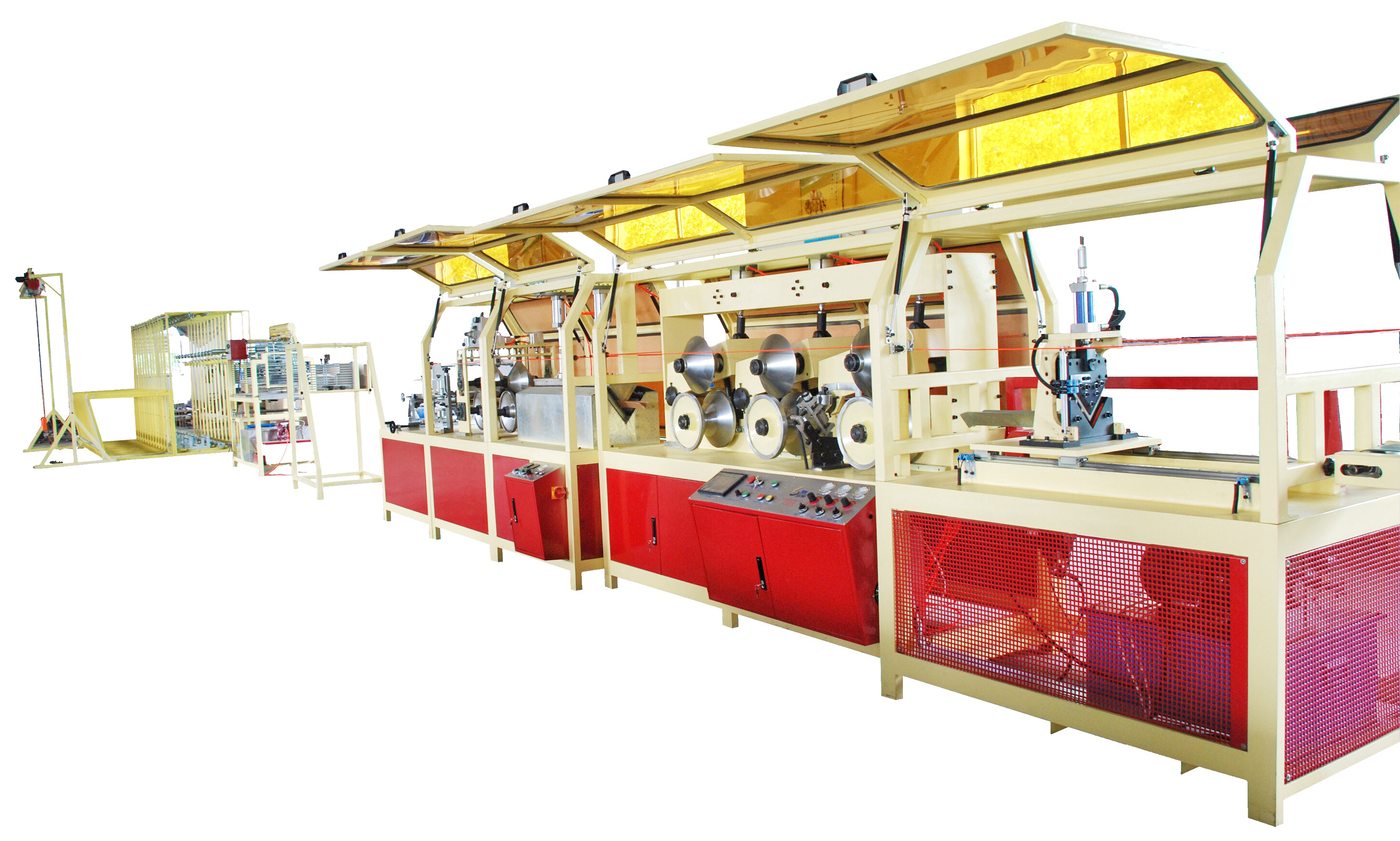
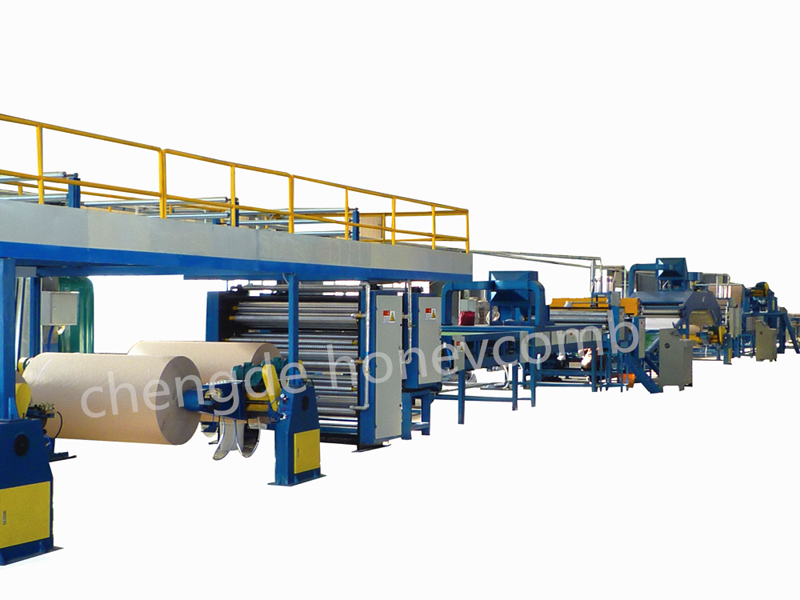
SAN's honeycomb paper core machine uses a heavy-duty hydraulic paper stand as part of its integrated production line. The machine then feeds the material through gluing, pressing, drying, cutting, and conveying stages.
Glue is one of the most important process variables in honeycomb core manufacturing.
Honeycomb geometry is created by applying adhesive in a controlled alternating pattern between paper layers. If the glue position or application is inconsistent, the resulting cell structure may not open correctly or may contain weak bonding points. Industrial honeycomb production processes therefore treat glue application as a key stage in creating the required cell geometry.
Using too much adhesive does not necessarily produce a better core. It can increase moisture, extend drying requirements, contaminate machine components, and raise production costs.
Too little adhesive creates a different problem: weak bonding can lead to delamination or defective cells, turning otherwise usable paper into rejected product.
For paper honeycomb core suppliers, the objective should be consistent glue quantity and positioning rather than simply maximizing adhesive application.
Cell geometry directly affects both finished-product quality and material utilization.
If cells become irregular during production, manufacturers may have to reject material even when the paper itself is undamaged. Cell inconsistency can originate from paper tracking, roller positioning, gluing accuracy, speed mismatch, or mechanical adjustment.
SAN Machinery's system can be configured to produce different honeycomb cell sizes and uses adjustable tooth rollers to control cell shape. Its product page describes gluing mechanisms for different cell specifications, including 4.5 mm and 6 mm configurations.
Rather than waiting for large quantities of defective material, operators should inspect cell geometry soon after setup and after any major change in raw paper, glue, speed, or product specification.
Yes. Cutting is one of the most visible sources of avoidable material loss.
Once the laminated structure has been produced, it must be cut to the specified honeycomb core height. In commercial honeycomb production, the laminate is cut into strips according to the desired core height before further processing or expansion.
If the cutter produces inconsistent dimensions, manufacturers may face:
oversized material that requires additional trimming;
undersized core that cannot meet the customer's specification;
uneven edges;
excessive setup scrap;
unnecessary safety margins added to every cut.
A high-precision cutter therefore contributes not only to product quality but also to raw-material yield.
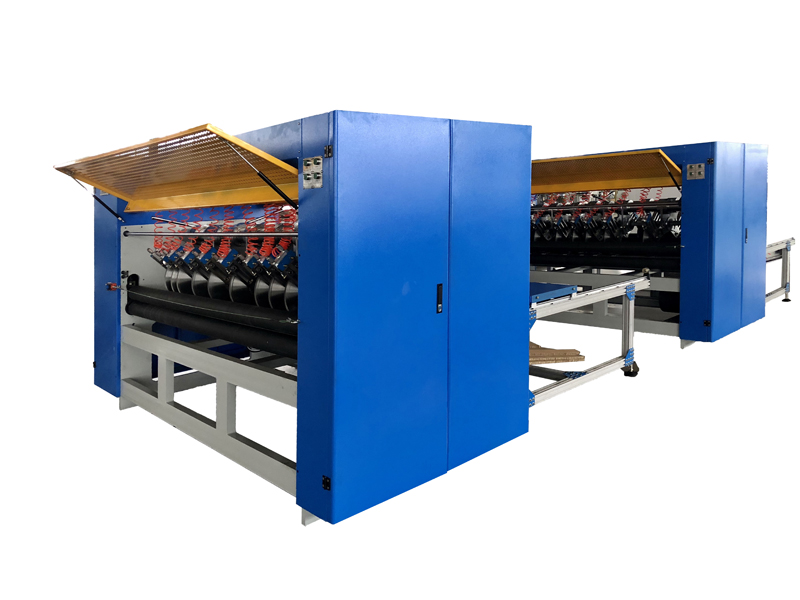
SAN Machinery emphasizes cutting precision as one of the features of its automated honeycomb core production equipment. The company offers a continuous CX-2000 high-speed model with a listed cutting speed up to 720 cuts/min and a CX-1600 configuration rated at 380 cuts/min.
For waste reduction, however, accuracy and stability are more important than maximum cutting speed alone.
Not necessarily.
A properly synchronized line can increase output without increasing the percentage of waste. Problems occur when individual sections of the machine operate at mismatched speeds.
For example, increasing cutting speed while paper feeding, gluing, pressing, or conveying remains unstable can increase defects faster rather than improve productivity.
This is why operators should optimize the complete line instead of maximizing one machine section.
SAN's system uses PLC control, and individual sections can have their operating speeds adjusted while maintaining coordinated production.
For continuous production, stable operation at an appropriate speed normally produces better material utilization than repeatedly accelerating, stopping, and restarting the line.
Frequent changeovers are often an underestimated source of paper loss.
Every time a factory changes cell size, core height, paper specification, glue parameters, or order dimensions, operators may consume material while finding the correct settings.
To reduce this loss:
Record proven settings for recurring products.
Group orders with similar specifications when scheduling production.
Prepare paper rolls and adhesive before stopping the current run.
Establish standard setup procedures for each common core specification.
Inspect the first output immediately after a changeover.
Avoid running excessive material while adjusting the machine.
Experienced paper honeycomb core suppliers often benefit more from repeatable setup procedures than from simply asking operators to "use less paper."
Automation reduces waste most effectively when it improves process repeatability.
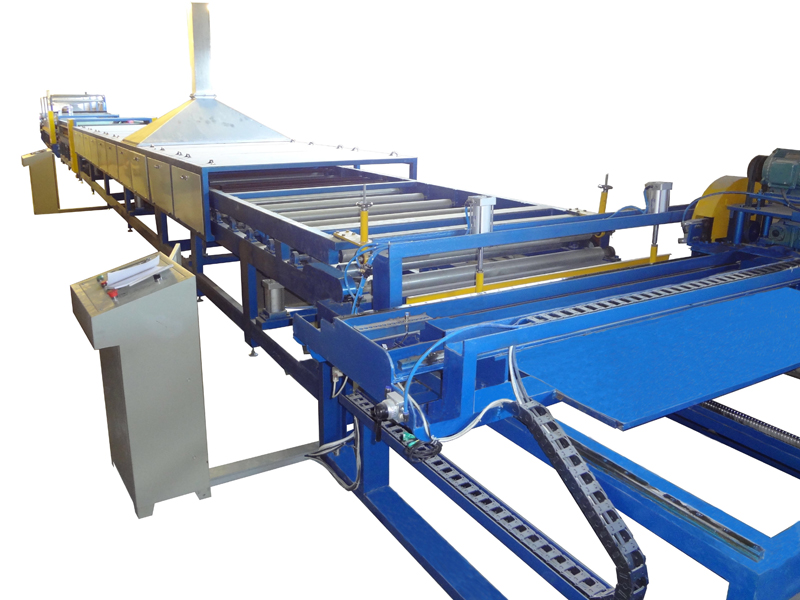
A modern honeycomb paper core machine can integrate multiple operations that previously required separate equipment and more manual handling. SAN Machinery's production line consists of seven main sections: a hydraulic paper stand, core gluing machine, conveying and pressing section, dryer, high-speed cutter, core conveyor, and electrical control cabinet. The production process runs from base paper to cut honeycomb core on one line.
SAN states that its automated configuration requires only two to three operators and is designed for high base-paper utilization.
For manufacturers, the practical advantage is process consistency: fewer manual transfers and fewer disconnected production stages mean fewer opportunities for alignment errors, handling damage, and unnecessary intermediate cutting.
Recycled paper can support a broader waste-reduction strategy, but raw-material selection must still match the required core performance and machine conditions.
Commercial paper honeycomb producers already use recycled paper in honeycomb manufacturing, and some production facilities manufacture honeycomb entirely from recycled-paper feedstock.
However, buying lower-cost paper is not automatically more economical. If variations in strength, moisture, thickness, or roll quality create additional breakage and rejected material, the apparent saving can disappear quickly.
Manufacturers should therefore evaluate raw paper based on usable output per ton of input, not purchase price alone.
Reducing paper waste in honeycomb core manufacturing is primarily a process-control issue. Better raw-paper feeding, accurate glue application, stable cell formation, precise cutting, controlled changeovers, and continuous waste measurement can significantly improve usable output.
For paper honeycomb core suppliers, the lowest production cost does not come from using the cheapest paper or running the line at maximum speed. It comes from converting the highest possible percentage of purchased paper into saleable honeycomb core.
A well-designed honeycomb paper core machine supports this objective by integrating paper feeding, gluing, pressing, drying, cutting, and conveying into a stable automated process. When choosing production equipment, manufacturers should therefore evaluate paper utilization and process consistency alongside speed and nominal production capacity.
Common causes include unstable paper feeding, incorrect glue application, poor cell formation, cutting errors, excessive trimming, and waste during product changeovers.
Automation can improve feeding consistency, gluing accuracy, line synchronization, cutting precision, and process repeatability, reducing defective material and unnecessary trim.
No. Stable synchronized production is more important. Running faster than the gluing, pressing, cutting, or conveying process can reliably support may increase defects.